

Public Relations (PR) strategy is a long-term, deliberate blueprint used to manage, shape, and maintain how the public, media, and key stakeholders perceive an organization or brand. Unlike paid advertising, an effective PR strategy focuses on earned exposure and organic communication to build authentic credibility and trust.

Media Management & Liaison is the specialized tactical branch of public relations focused on building, maintaining, and navigating direct relationships with journalists, editors, and media outlets. It ensures that an organization's core narratives are accurately and favorably reported in the press.

Press Conferences & Media Events are highly structured public relations tools used to deliver major, high-stakes news simultaneously to a wide group of journalists. They are reserved exclusively for breaking, highly significant announcements where interactive questioning provides deep value to the media.

Corporate Communication is the strategic management of all internal and external communication produced by an organization. It is designed to create a cohesive brand image, maintain corporate reputation, and align stakeholder perceptions with organizational values.
Crisis Management is the strategic framework used by an organization to anticipate, prepare for, respond to, and recover from significant negative events. An effective crisis response minimizes reputational damage, protects financial valuation, ensures public safety, and maintains stakeholder trust under high-pressure conditions.

Content Development & Brand Profiling is the strategic process of defining a company’s distinct market identity and creating targeted, high-value assets that project that identity to the public. This dual approach establishes a clear, recognizable voice (profiling) and fuels all PR channels with compelling stories (content development).
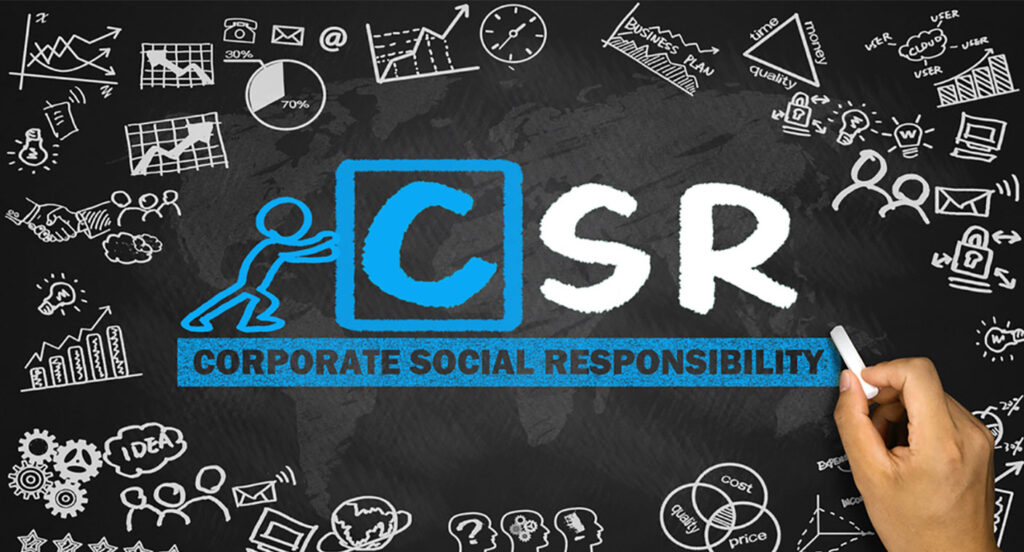
Corporate Social Responsibility (CSR) campaign planning process builds a bridge between business values and positive societal impact. Instead of executing fragmented philanthropic gestures, a structured roadmap ensures your initiatives are intentional, measurable, and deeply integrated into your company's core strategy.

Stakeholder engagement is the systematic process of identifying, analyzing, and communicating with individuals or groups who can affect or are affected by your CSR campaign. Mapping out your stakeholders ensures your initiative wins internal backing, meets community needs, and avoids public backlash.
Media monitoring and reporting tracks how the public, media, and stakeholders perceive your CSR campaign. It ensures you capture positive press, detect public relations risks early, and provide verifiable proof of your impact to stakeholders.

Digital communication and brand promotion translate your CSR data into inspiring digital stories. This phase builds brand loyalty, boosts online engagement, and showcases your company's values across digital platforms.